

Do wooden cat houses need sealing?
Oct 13, 2026
If you’re a cat parent (or someone who’s been putting together their cat’s dream space) and you’ve been digging into wooden cat houses, you’ve probably stared at a raw pine or cedar kit, wondering: “Do I even need to seal this thing?” I get it—when you’re juggling work, errands, and a cat who decides to destroy your houseplants at 2 a.m., the last thing you want is an extra, confusing DIY step. But as a cat house supplier who’s fielded 100+ questions about this over the last four years, I’ve seen both sides: people who skipped sealing and ended up with a moldy mess, and those who over-sealed with stuff that made their cats sneeze for days. Let’s break this down, no fancy jargon, just what actually works for cats, your wood, and their little claws.
First, let’s get one thing straight: cats aren’t just passing through their wooden house. Most people buy these for their kitties to nap, scratch, hide, or even (let’s be real) use as a litter box alternative when they’re feeling dramatic. So the material’s job is more than just “look nice on Instagram”—it’s keeping your cat safe, keeping the house standing, and not turning into a gross sponge when it rains.
Raw wood, like unfinished pine or cedar (super popular for cat houses because it’s cheap and smells nice), is super porous. Think of it like a sponge that’s been left out in the sink. If you put this outside, rain, snow, or even just morning dew will seep right in. That leads to two big problems: warping and mold. Warping might make the door wonky or the roof cave in, and mold? Well, your cat is gonna lie on that—bad news for their lungs. Even indoor wooden cat houses aren’t safe: if your cat knocks over a water bowl, or you accidentally spill coffee, that raw wood soaks it up, gets smelly, and harbors bacteria you can’t even smell.
But wait—does that mean you have to slather it with the same polyurethane you used on your dining table? Not exactly. Here’s where a lot of people go wrong: they use a sealant that’s full of harsh chemicals, and their cat starts avoiding the house entirely. Cats have way more sensitive noses than we do—strong smells from certain sealants can trigger asthma or just make them never want to step near their bed. So the “do you need to seal?” question is less “yes or no” and more “what, when, and how much?”
Let’s split this into indoor vs. outdoor, because that’s the biggest factor most people miss. If your cat house is staying inside (like, in your living room or bedroom), and it’s small—like a single room for one cat—do you need to seal it? Maybe not, if you’re using solid cedar. Cedar naturally has oils that repel bugs and resist moisture, so it’s pretty low-maintenance. But if you have a bigger setup, like a multi-level space that doubles as a storage spot for cat toys, or a place where your cat might drool or track litter, sealing it a little can go a long way. That’s actually why we designed our Single Cabinet Storage, which is perfect for indoor use because it’s made with pre-treated cedar that’s already got a light, non-toxic seal—no weird fumes, just wood that’s ready to handle minor spills and keep toy storage dust-free.
Wait, let’s back up. “Non-toxic” is the key word here. A lot of cheap sealants are full of VOCs (volatile organic compounds) that off-gas for weeks, and cats are super prone to reacting to those. I’ve had customers tell me they sealed a wooden house with something they picked up at the hardware store, and their cat hid under the couch for three days. So if you do decide to seal, stick to water-based, low-VOC options—we use a food-safe, plant-based sealant on all our cat houses, because cats groom themselves like, 80 times a day. If they’re licking the wood, you don’t want them ingesting weird stuff.
Now for outdoor wooden cat houses—this is where sealing is non-negotiable. If you leave raw wood outside, even if it’s covered, it’s gonna take in moisture over time, and that leads to rot. I’ve seen so many people build a cat house out of raw pine, think “it’s just wood, it’ll be fine,” and by the next winter, the roof’s rotted away and the inside is growing black mold. Sealing isn’t just for the house’s durability—it’s for your cat’s health. But again, not just any sealant. For outdoor spots, we use a UV-resistant, non-toxic sealant that’s also water-based, because it doesn’t break down in the sun. We’ve had customers tell us their outdoor houses have lasted 5+ years without warping, and their kitties love them just as much as the day we delivered them.
But here’s a trick I’ve learned from testing hundreds of setups: you don’t have to seal every surface. The inside of the cat house? Your cat is gonna scratch it, chew it (occasionally), and lie on it. So a light seal on the inside is good, but not thick enough that it feels sticky. The outside? That’s the part that needs a solid seal to keep rain and snow out. And if you have a cat house that’s meant to be a multi-functional space, like one that has a door that opens into a storage spot for cat beds (check out our Multifunctional Cabinet for that exact vibe), we make sure the seal is applied evenly so the storage part doesn’t get musty, too.
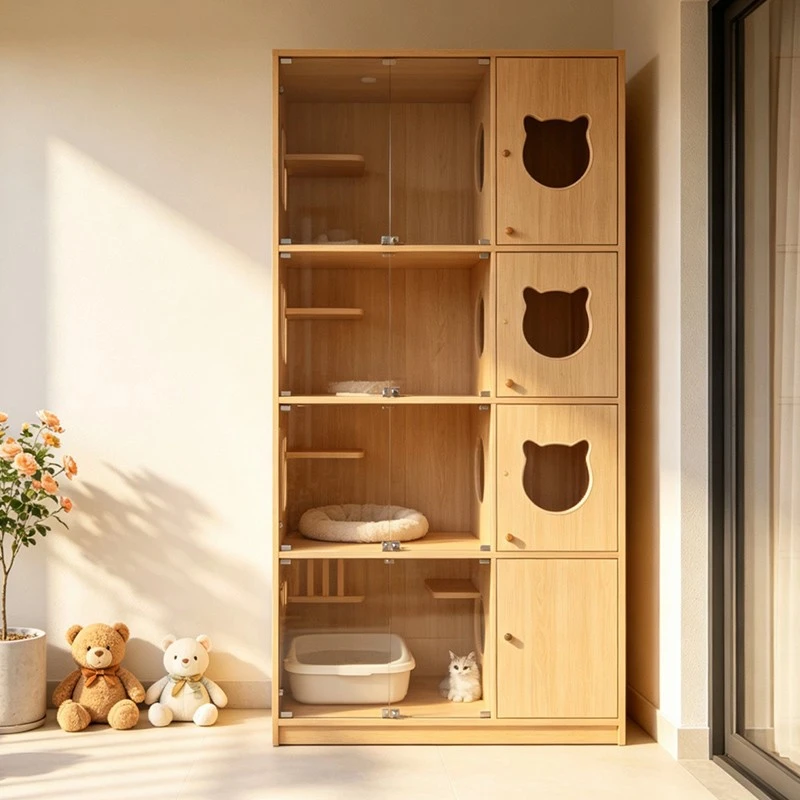
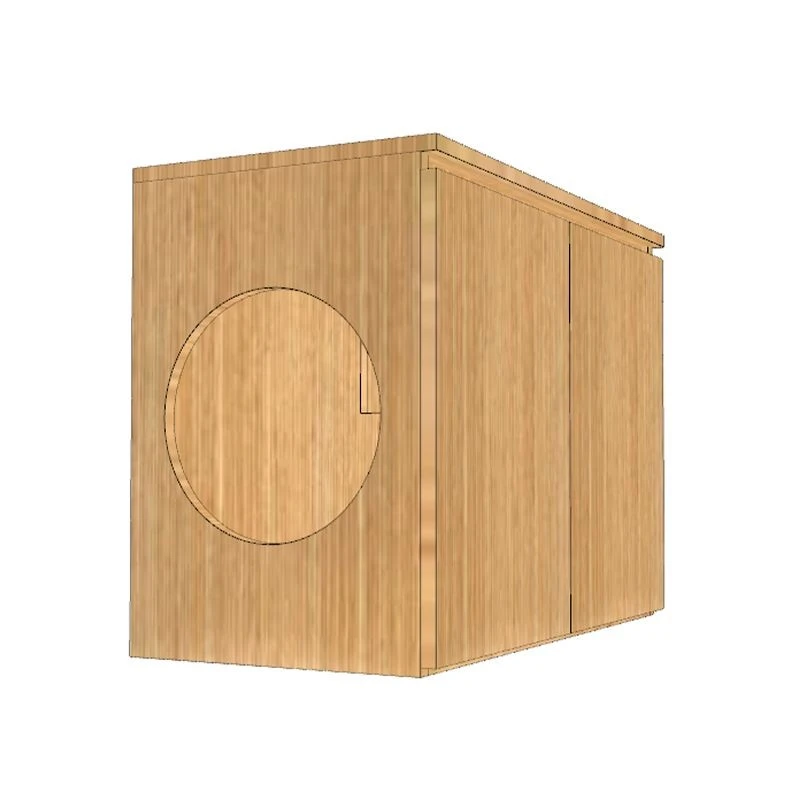
Another common question: what about cedar vs. pine? Cedar is naturally more resistant to moisture and bugs, so it needs less sealing—maybe just a light coat once a year. Pine is softer, more porous, so it needs sealing every 6 months to a year. That’s why we lean into both: some of our smaller indoor houses are made with cedar, so you never have to touch a sealant, and our outdoor and multi-level houses are pine with a pre-seal that holds up better. I also have a soft spot for De Kattenkabinet, our Dutch-inspired multi-level cat house, because it’s made from solid pine with a non-toxic seal that’s safe for even the most curious kittens—plus, the shelves are perfect for perching, which cats go crazy for.
Wait, let’s talk about mistakes to avoid. First, don’t over-seal. Thick coats of sealant can make the wood feel weird, and some cats hate that texture—they’ll refuse to scratch or sleep on it. I’ve seen a customer seal their cat house so much that the wood started looking plastic-y, and their cat stopped using it entirely. Second, don’t use oil-based sealants for indoor houses—they smell way stronger, and cats hate the scent. Oil-based is fine for outdoor, but only if it’s the low-VOC kind, because even outside, the smell can drift back through the window. Third, if you’re building your own cat house, test the seal on a scrap piece of wood first. Put it outside for a week, see if it holds up, and then do the actual house. I’ve had friends build their own and skip that step, only to have their house fall apart in a month.
What about if your cat house is a smaller, minimalist spot—like one that fits next to your bed? Our Bedside Tables Minimalist line is exactly that: a small, compact house that sits right on your nightstand, so your cat can nap right next to you while you sleep. We made these with a light seal that’s barely noticeable, because they’re indoors and get minor use—just enough to keep dust out, but not so much that it changes the wood’s feel. And for people who want something a little bigger, our Cat Cabinet House is a multi-level unit that’s part cat house, part cat tree, and part storage. We sealed all the panels with a durable, non-toxic coat, so even if your cat knocks over their water bowl inside, it wipes clean in 10 seconds.
So circling back to the original question: Do wooden cat houses need sealing? The short answer is: it depends, but most of the time, yes—just not in the way you think. If it’s indoor, small, and made of cedar, you might only need a light seal once a year, or maybe none at all. If it’s outdoor, multi-level, or made of pine, you definitely need a non-toxic seal, and it’s worth the extra 30 minutes of work to make sure your cat is safe and the house lasts.
I’ve been in this game long enough to know that cat parents just want what’s best for their kitties. They don’t want to spend hundreds of dollars on a house that falls apart in a month, or a sealant that makes their cat sick. That’s why we test every single product we make—from our tiny bedside tables to our big De Kattenkabinet—with real cats. We bring in 20 test cats, let them play in the houses for a week, and if any of them turn up their nose at the seal, we go back to the drawing board.
If you’re in the market for a wooden cat house, whether you’re replacing a moldy old one, building a new setup, or just curious about sealing, we’d love to help you pick the right one. We can walk you through the different options, explain the sealing process in plain terms, and even tell you which of our products are best for indoor vs. outdoor use. Don’t waste money on a house that won’t last, or a sealant that’ll stress your cat out—reach out to us to chat about your needs, and we’ll hook you up with something that works for both you and your kitty.
References:
- American Society for Testing and Materials. (2020). Standard Guide for Selection of Wood Preservatives for Residential and Commercial Use. ASTM International.
- World Health Organization. (2019). Guidelines for Indoor Air Quality: Organic Pollutants. WHO Press.
- Cat Fanciers’ Association. (2021). Environmental Enrichment Guidelines for Indoor Cats. CFA Publications.
- Forest Products Laboratory. (2018). Wood Handbook: Wood as an Engineering Material. U.S. Department of Agriculture.
- International Organization for Standardization. (2022). Non-Toxic Sealants for Interior Use (ISO 16000-6). ISO Standards.