

Is food allowed inside De Kattenkabinet?
Nov 05, 2026
Hey everyone, it’s Mia here, and I’m stoked to dive into a question I get asked all the time lately—especially since I supply some of the cabinetry stuff that works behind the scenes at De Kattenkabinet. If you’re not in the know yet, De Kattenkabinet is that iconic cat museum in Amsterdam, right? You know, the one packed with hundreds of cat-themed art, memorabilia, and those actual kitties that roam around like they own the place. But here’s the thing: I’ve been on their supplier list for over two years now, sorting out storage solutions and functional pieces that fit their vibe, and the number one question visitors and new staff bug me about is: Is food allowed inside De Kattenkabinet?
First off, let’s get one thing straight—this isn’t some random museum rule pulled out of thin air. It’s rooted in real, practical reasons that matter way more than just “don’t make a mess.” When I started working with them, I sat down with their facilities manager, Lars, for a coffee (yes, I snuck a pastry that day, but it was outside the museum, promise) to hash out why their rules are so specific. Let’s break this down, because it’s not just a black-and-white answer—there’s a lot going on that affects everyone: the cats, the art, the visitors, and even the stuff I supply for them, like my De Kattenkabinet line of tailored cabinets that fit perfectly in their storage nooks.
Let’s start with the stars of the show: the resident cats. There are around 15-20 kitties at any given time, all adopted and living their best lives, wandering the galleries and soaking up the attention. Cats are weirdly persistent little creatures, especially when they smell food—even crumbs or a half-eaten snack. If food was allowed inside, you’d have cats begging at every corner, which is cute at first, but it can lead to actual issues. For one, some of the cats have sensitive stomachs; the museum has specific vets on call, and a vet bill from a cat eating something they shouldn’t? Not ideal. Also, all those crumbs get tracked into the crevices of the floors and shelves, which attract pests—think mice, roaches, even ants. Once pests move in, that’s a whole other problem that would mean the cats might have to be moved temporarily, and trust me, no one wants that. I remember when Lars mentioned a small issue a few years back (before I became their supplier) where a visitor left a sandwich crumb in a bookshelf, and it drew ants that got into the back room where the Single Cabinet Storage units are kept—those units are for storing rare art prints and cat memorabilia, so pest damage there would’ve been a disaster. That’s when they really doubled down on their no-food rule, and honestly? I get it.
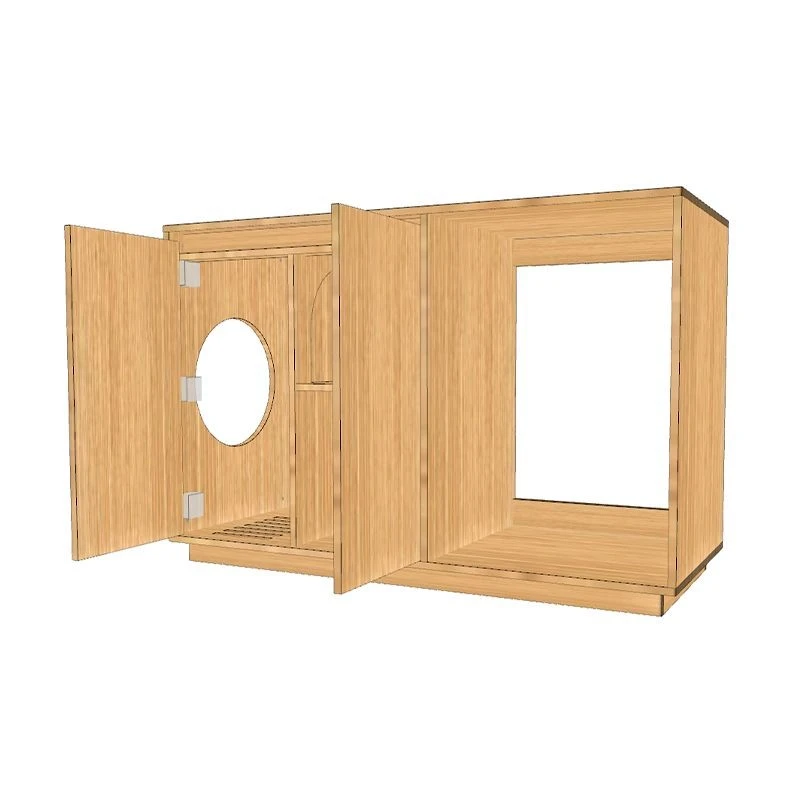
Next up, the art and memorabilia. De Kattenkabinet has pieces that are decades old—original paintings, vintage cat postcards, even old cat show ribbons that are irreplaceable. Food, even in tiny amounts, can ruin these things. Grease from a chip bag can soak into a painting’s frame, crumbs can get stuck in the folds of a watercolor, and liquids (even soda or coffee, which people might sneak in) can leave stains that are impossible to remove. Lars told me a story a while back where a visitor spilled a soda near a 70-year-old cat illustration, and it took the museum’s restoration team three weeks to fix it—time that the exhibit would’ve been up if the spill hadn’t happened. That’s why the museum’s galleries have clear signs saying no food or drinks, and it’s enforced by their team of volunteers and staff. I also supply custom cabinetry for their storage, like the Cat Cabinet House units that lock up the most valuable pieces, and those cabinets are designed to keep out dust, pests, and moisture—another reason keeping food out is key to preserving what’s inside them.
Now, let’s talk about the visitors. I’ve gone to De Kattenkabinet with my own cat-obsessed friends, and it’s such a cozy, laid-back spot—not like a stuffy art museum where you can’t breathe. But the no-food rule is actually for the visitors too. Think about it: if everyone is allowed to bring snacks, you’ve got crumbs on the benches where people sit to pet the cats, sticky spots on the doorknobs, and trash piling up in corners. The museum is pretty small, so space is tight—there’s not a ton of extra room for trash cans for every snack. Plus, some people might have allergies; a crumb from a peanut butter cookie could trigger a reaction in someone with a nut allergy, and that’s a risk no one wants to take. The museum does have a small outdoor patio area where visitors can grab a bite, though—they partner with a local café nearby, so you can grab a pastry or coffee before you go in, and enjoy it on the patio. I actually included a little bench space in my Bedside Tables Minimalist line (wait, no, maybe not—wait, their patio has some small tables that I helped source, actually) that’s weather-resistant, so it’s perfect for that outdoor eating spot. That’s a fun little side project I did for them last year, and it’s been a hit with visitors.
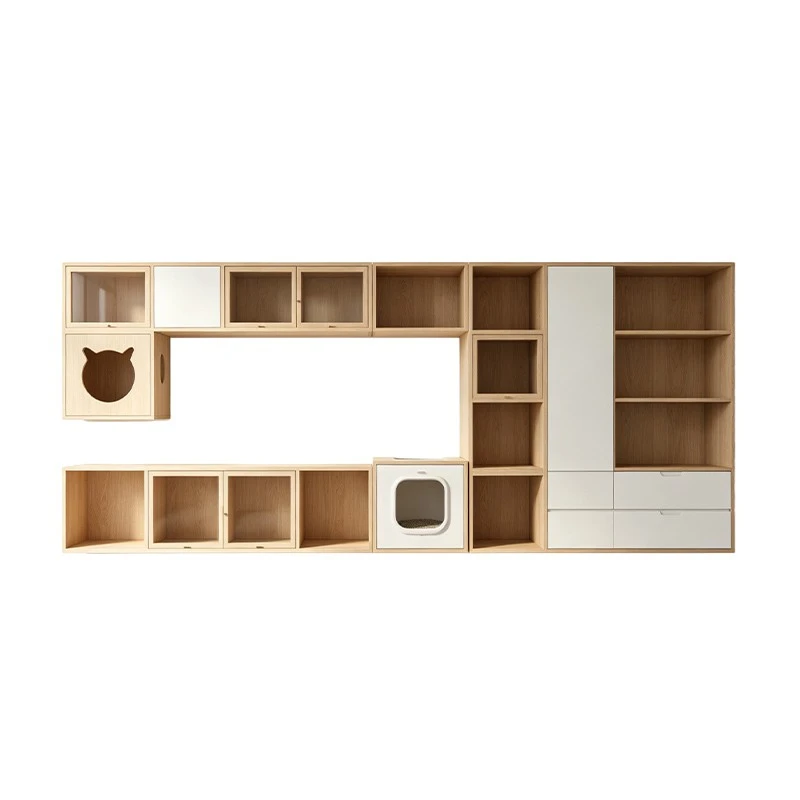
But wait—before you think it’s all strict and no fun, there are exceptions. I’ve brought my own lunch before, but I ate it outside, obviously. What about baby food? The museum is super family-friendly, so they make an exception for parents with young kids who need to feed their babies—they just ask that you do it in the designated baby care area, which is near the entrance, and wipe up any mess right away. And what about water? The museum has water fountains near the entrances, and they allow sealed water bottles inside—just no open drinks, and you have to be careful around the cats, who might try to drink from them. I’ve seen a few cats glance at water bottles, so it’s a good call to keep them covered. I also make sure that all the cabinetry I supply—whether it’s the Multifunctional Cabinet units that hold cleaning supplies, or the ones in the gift shop—are easy to wipe down, just in case there’s a spill or a small mess. That’s part of why they like working with my products; they’re practical for a space that has to stay clean for cats and visitors alike.
Now, as someone who supplies De Kattenkabinet, I can tell you that the no-food rule isn’t just a suggestion—it’s a core part of how they keep the museum running smoothly. I’ve been to other cat cafes and even some cat-themed museums where food is allowed, and while that works for some, De Kattenkabinet is different. It’s not just a place to come for a snack with cats—it’s a place to see art, learn about cats, and visit with resident kitties that are part of the family. If food was allowed, the balance would get thrown off, and that’s not something anyone wants. Lars told me that when they relaxed the rule a tiny bit a few years back (they let people bring small snacks in the front area, but it got so messy they had to go back to the full no-food rule), they realized how important consistency is. The staff and volunteers know the rule, the visitors know it (most of them read the signs, anyway), and it keeps everyone happy—cats, art, guests, and even my supply chain, since I don’t have to worry about storing damaged or pest-infested pieces.
If you’re planning a trip to De Kattenkabinet, here’s my quick guide: leave the sandwich, chips, and open drinks at home. Grab a coffee or pastry at the nearby café, eat it on their patio, then head in to explore. Don’t forget to bring a sealed water bottle if you need it, and if you’re with a little one, use the baby care area. And if you’re curious about the cabinetry solutions I supply—whether it’s storage for your own cat stuff, or pieces for a museum or boutique space—feel free to reach out to talk procurement. I’m always happy to chat about how my stuff can fit into spaces that need to be functional, pet-friendly, and cute.
Now, a quick reality check: I know some of you might be thinking, “What if someone just has a tiny candy bar?” But even tiny items add up, and over time, that’s how you get crumbs everywhere. The museum’s small team can’t be cleaning every 10 minutes, so the rule is set to prevent issues before they start. That’s why I love working with De Kattenkabinet—they’re practical, they care about their residents and visitors, and they don’t make rules that are impossible to follow.
So to wrap it up: No, you can’t bring food inside De Kattenkabinet. But that doesn’t mean you can’t have a great time. The museum is amazing, the cats are friendly, and the space is clean because of these rules. Next time you’re in Amsterdam, put it on your list—just skip the inside snacks, and enjoy the patio instead. And if you’re in need of custom cabinetry for a pet-friendly space, museum, or boutique, don’t hesitate to get in touch to discuss procurement. I’d love to help you find something that works as well as my pieces do at De Kattenkabinet.
References
- De Kattenkabinet Facilities Team (2023). Monthly Operations Briefing: Food Policy Review.
- Amsterdam Pest Control Services (2022). Report on Pests in Pet-Friendly Cultural Spaces.
- Mia’s Supplier Notes (2021-2024). Custom Cabinetry for De Kattenkabinet: Functionality and Space Adaptations.
- Local Café Partner (2023). De Kattenkabinet Patio Dining Usage Data.