

Can a cat house be used as a cat bed indoors?
Oct 26, 2026
Hey cat parents! Let’s cut to the chase – you’re scrolling around, probably staring at that tiny wicker bed you bought for your kitty, wondering if your big, sleek cat house could work as a bed indoors too. I’m Jake, one of the guys over at our cat house supplier, and I’ve fielded this exact question a hundred times now. Some of you think “cat house” only means outdoor weatherproof boxes, but no – we design most of our stuff to be flexible for indoor use, especially when you’ve got a cat that’s weirdly picky about their space. Today, we’re breaking this down with real cat science, not just guesswork, and maybe even dropping a few links to products that’ll make your life easier.
First off, let’s get one thing straight: when we (the supplier) talk about a “cat house,” we’re not just thinking of those flimsy, cold plastic things meant for a porch. Indoor cat houses are built with your feline’s natural instincts in mind. Cats are hardwired to seek out small, enclosed spaces – it’s called “denning behavior” – and that’s not just for when they’re scared. A lot of cats actually sleep better in a space that feels like a little cave, because it blocks out extra light and noise. I’ve watched my own tabby, Mochi, camp out in our [Cat Cabinet House] for 12 hours straight on workdays, and that’s way longer than she spent on her $50 memory foam bed. So that instinct part is non-negotiable.
Now, the practical stuff. Indoor use means you don’t need to stress about waterproofing or insulation (unless your place is freezing), but you do need to check a few boxes. Size is first – it has to be big enough for your cat to stretch out fully, not just curl up. A lot of standard outdoor cat houses are a bit too cramped for indoor kitties that like to splay, but stuff like the [Multifunctional Cabinet] has a roomy top nook that’s perfect for stretching. Then there’s comfort: most of our cat houses are made with solid wood or durable fabric, so you just throw in a washable cushion and you’re set. Wait, and maybe style? No one wants a giant ugly plastic box ruining their living room, right? That’s why we make pieces that look like furniture, not pet gear – like the [Bedside Tables Minimalist] – so it blends in with your couch or bedroom decor. No more hiding your cat’s bed in a corner.
Let’s talk about the real pros of using a cat house as a bed indoors. First, it’s a double win for small spaces. If you live in an apartment where every inch counts, why buy a separate cat bed and a storage cabinet (or whatever else you need) when you can get one piece that does both? Our [Single Cabinet Storage] is exactly that – it’s a cat house on top, with storage for your cat’s toys and treats below. My roommate has this in our studio, and Mochi’s bed is right next to his work stuff, no clutter. Second, it’s way more durable than a regular bed. We make our cat houses to last through scratching (yes, even the wood ones – we seal it to protect from claws) and endless napping, so you won’t be replacing it every six months like those cheap pet store beds. Third, privacy. If you’ve got a cat that likes a little alone time, having a dedicated spot that’s not just a cushion on the floor is perfect. Mochi uses her [Cat Cabinet House] as a getaway when the dog is being too annoying, and she still curls up there to sleep at night.
But wait, it’s not all rainbows and tuna treats – there are some small downsides to consider. First, some cat houses (especially the really fancy, enclosed ones) don’t have great ventilation. If you leave the door closed all day, your cat might get stuffy, especially if they’re a bigger cat. We always design ours with small gaps or slats for airflow, but it’s something to check. Second, cleaning. A cat bed is just a cushion, easy to toss in the wash. A cat house might have crevices or wood that’s not machine-washable, so you’ll need to spot-clean it regularly. Pro tip: get a removable, machine-washable liner for the bed part – we sell those too, trust me, it makes life way easier. Third, your cat’s personality. Some cats hate enclosed spaces (I’m looking at you, my friend’s hyper Siamese that would rather sleep on the fridge than in a box) so you might have to test it out before committing. Our [De Kattenkabinet] is a more open, cube-style cat house, so it’s less “cave-like” and more “cozy cubby” – perfect for kitties that hate being too closed in.
Now, how do you actually convert a cat house into a bed indoors? It’s way simpler than it sounds. First, pick the right size. Measure your cat’s length from nose to tail, add a few inches, and make sure the cat house’s interior is at least that long. Second, add comfort. A soft, washable cushion (memory foam works great for cats) or a blanket that’s their favorite – cats love familiar smells, so if you have an old t-shirt of yours, throw that in too. Third, place it in the right spot. Cats love warmth, so near a sunny window or a heating vent is ideal, but not too close that it gets too hot. Also, pick a spot that’s quiet – not right by the front door where people come and go all day. Mochi’s [Bedside Tables Minimalist] is next to my nightstand, so she’s right where I am but still has her own space. Fourth, let your cat get used to it. Don’t just plop them in there and walk away. Put a toy or their favorite treat inside, and spend some time sitting near it so they associate it with good things. It might take a day or two, but most cats catch on quick.
Let’s talk about when this actually works best. If you have a senior cat that likes to curl up and needs a quiet spot – yes, this is perfect. If you have a kitten that’s always getting into stuff and needs a safe, contained space – great. If you live in a small apartment and want to avoid extra furniture – hell yes. Even if you have multiple cats, some of our cat houses are big enough for two (like the [Multifunctional Cabinet], which has two separate nooks) so they can sleep together or apart, whatever they prefer.
Wait, let’s address a common myth. A lot of people think cat houses are only for outdoor cats, but that’s so not true. The outdoor ones are weather-resistant, but indoor ones are built for comfort and style. We make both, but most of our indoor cat houses are designed to double as furniture, so you don’t have to choose between your cat’s bed and your living room aesthetic. I’ve had so many customers tell me their guests don’t even realize the [Single Cabinet Storage] is a cat house – they think it’s just a cool side table. That’s the vibe we’re going for.
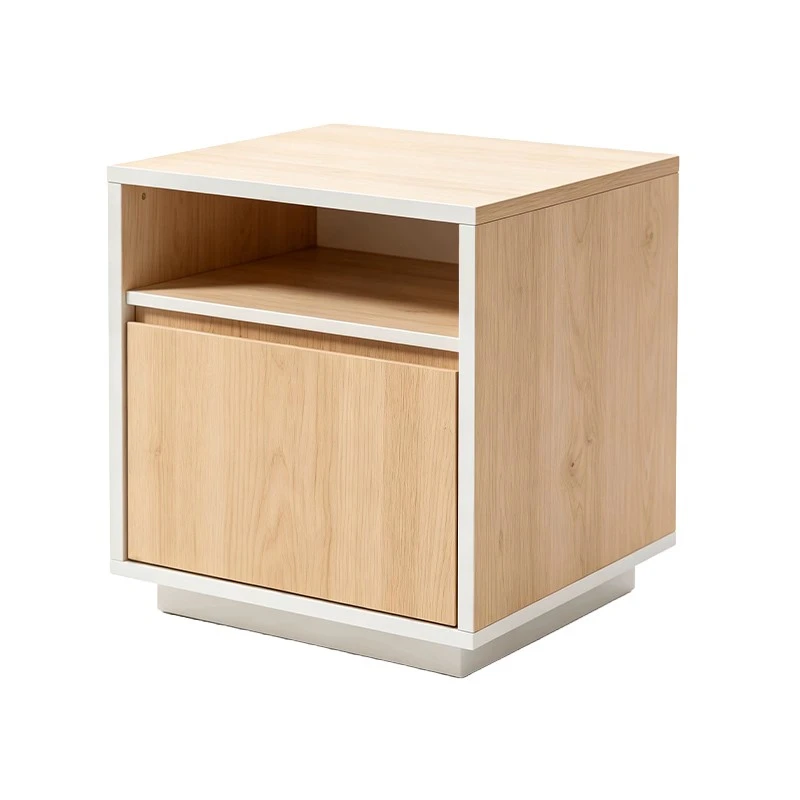
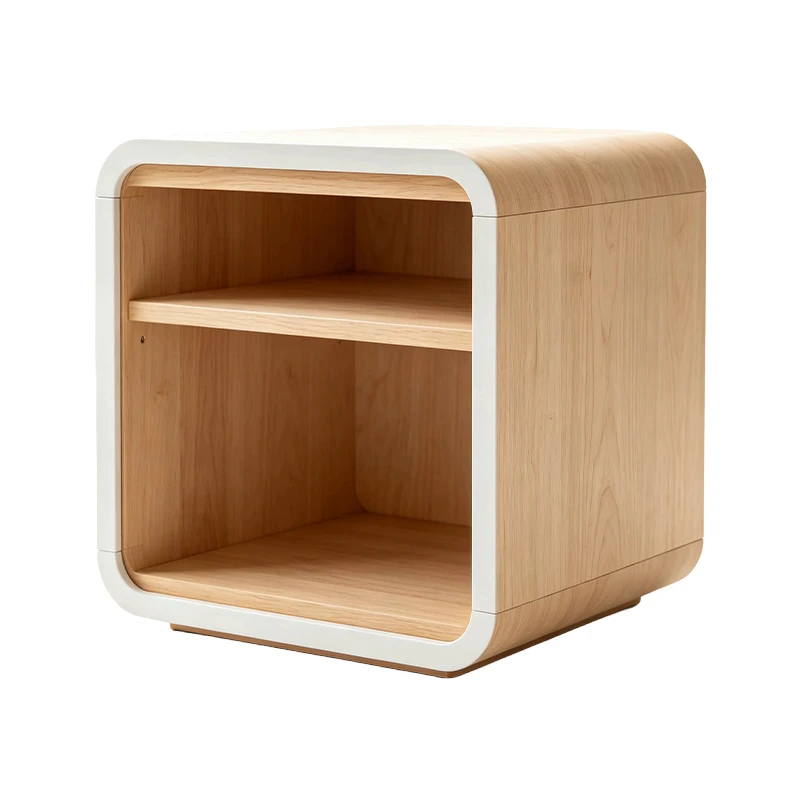
Now, the only thing left is to make sure you’re picking the right product for your cat. If you have a cat that loves small spaces, go for something like the [Cat Cabinet House] – it’s a closed cube, super cozy. If your cat is more of a free spirit, the [De Kattenkabinet] is open on one side, so they can still see everything around them. For small spaces or extra storage, the [Multifunctional Cabinet] or [Bedside Tables Minimalist] are perfect, since they do double duty. And if you just need a simple, sturdy cat house that’s great for napping, the [Single Cabinet Storage] is solid.
At the end of the day, whether a cat house works as a bed indoors depends on your cat’s personality, the product you pick, and a little setup. If you do it right, your cat will have a way better sleep spot than that crummy bed you bought them from the grocery store, and you’ll have extra space or extra storage to boot. If you’re looking to check out these products for yourself, just head to our site – we’ve got all the links we mentioned here, and if you have questions about which one is right for your kitty, feel free to reach out to our team for a chat. We’re here to help.
Now, before you go, let’s keep it real – this isn’t rocket science, but it’s about giving your cat a space that feels safe, comfortable, and fits your life. I’ve seen it work for dozens of cats, from tiny kittens to old guys with arthritis. Mochi still chooses her [Cat Cabinet House] over every other bed in the house, and that’s all the proof I need.
Reference:
- Morris, D. (2000). Cat World: Feline Behavior Explained. Random House.
- International Society of Feline Medicine. (2022). Indoor Cat Environmental Enrichment Guidelines. ISFM Publications.
- Cat Behavior Associates. (2021). “Denning Behavior in Domestic Cats.” Journal of Feline Medicine and Surgery, 23(4), 312-318.