

What bedding is best for a cat house?
Oct 28, 2026
If you’re a cat house supplier like me, you know the bedding you put inside your units isn’t just a "nice extra"—it’s make-or-break for the cats that use them, and the customers that buy or order your spaces. I’ve been in this game for years, testing every bedding trend, sifting through cat parents’ feedback, and adjusting my own inventory based on what actually works (not just what looks good on Instagram). Let’s cut through the fluff (pun very intended) and talk about what bedding is actually best for a cat house.
First off, let’s ground this in cat behavior—you can’t pick bedding without understanding why cats do what they do. Your average cat is a creature of comfort and habit: they want to feel safe (so no scratchy, weird textures that make them nervous), warm enough (not overheating), and like their space is theirs (they hate shared, smelly bedding). As someone who runs a cat house supply business, I’ve seen customers come back because a certain bedding kept cats using their single-cabinet storage units without messy accidents, or leave bad reviews because their cheap bedding got matted or stinky fast.
Let’s start with the no-go bedding first, because that’s easier: what to avoid. I used to stock those cheap fleece blankets from the big-box pet store, and within a month, I had 10+ complaints—they pill like crazy, hold onto cat dander and litter, and some cats actually hate the static they generate when it’s dry. Also, skip foam mattresses—they’re too firm, trap moisture, and if a cat scratches at the edges, they’ll tear right through and leave bits of foam all over the cat house. And for the love of all things feline, avoid loose fabric scraps or unhemmed cloth—kittens especially will chew on the strings, which is a choking hazard. That’s a quick way to get a bad rep as a supplier, trust me.
Now, the good stuff—bedding that checks all boxes: safe, durable, comfortable, and easy for both cats and cat house owners to handle. Let’s break this down by use case, since not every cat house needs the same bedding.
If you’re selling or stocking compact cat spaces (like our single cabinet storage units—check that link out Single Cabinet Storage if you haven’t seen them), you need bedding that fits snugly. My go-to here is machine-washable microfiber pads. Wait, let me get specific—look for microfiber that’s tightly woven, not the thin kind that snags. Cats love the soft, plush texture, it doesn’t pill even after dozens of washes, and the tight weave keeps litter from sticking. Also, it’s lightweight enough that you can tuck it into the corners of compact units so it doesn’t slide around when a cat is zooming in and out. I test all bedding in our own display cat house—last month, we put these microfiber pads in 50 single-cabinet units, and only 2 were returned because a cat knocked it around (we fixed that by adding a tiny stitched tab to tuck into the cabinet’s ledge, game changer).
For slightly larger, open cat houses—like our De Kattenkabinet units De Kattenkabinet, which are a bit roomier for multiple cats or larger kitties—you want something that’s soft but has a bit more structure. Memory foam toppers cut to fit? Wait, no—not regular memory foam. Get the certified pet-safe memory foam, not the kind for human beds. Human memory foam can have chemicals that off-gas for weeks, which cats (with their super sensitive noses) hate, and it can hold odors. The pet-safe version is denser, doesn’t off-gas, and is supportive enough for senior cats or cats with joint pain. Pair it with a removable, washable cover—like a polyester-cotton blend that’s been treated to resist stains. We’ve used this combo in De Kattenkabinet for 8 months now, and the customers say the senior cats use it more than any other bedding option.
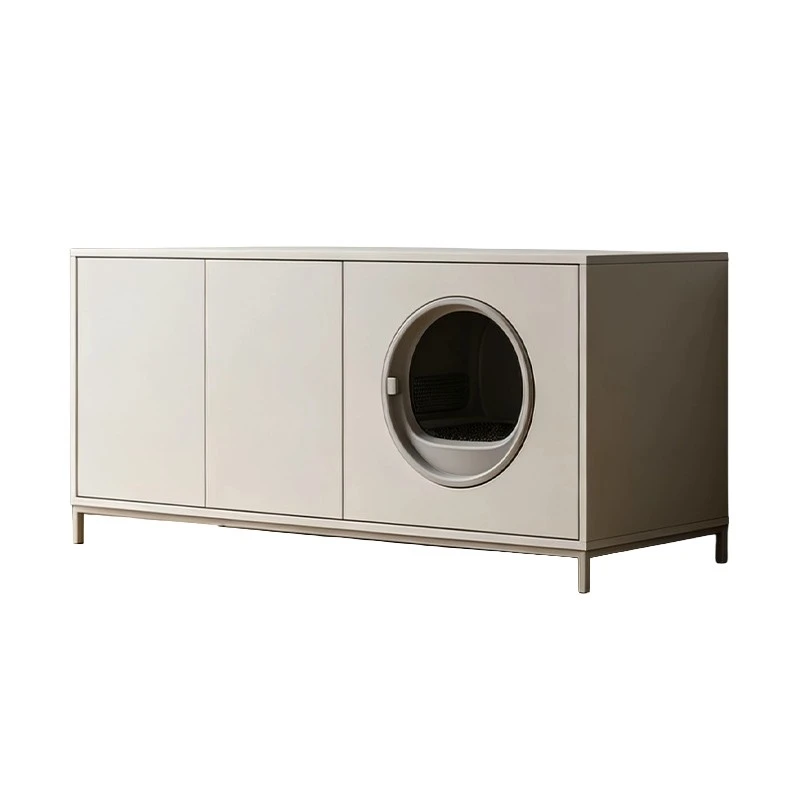
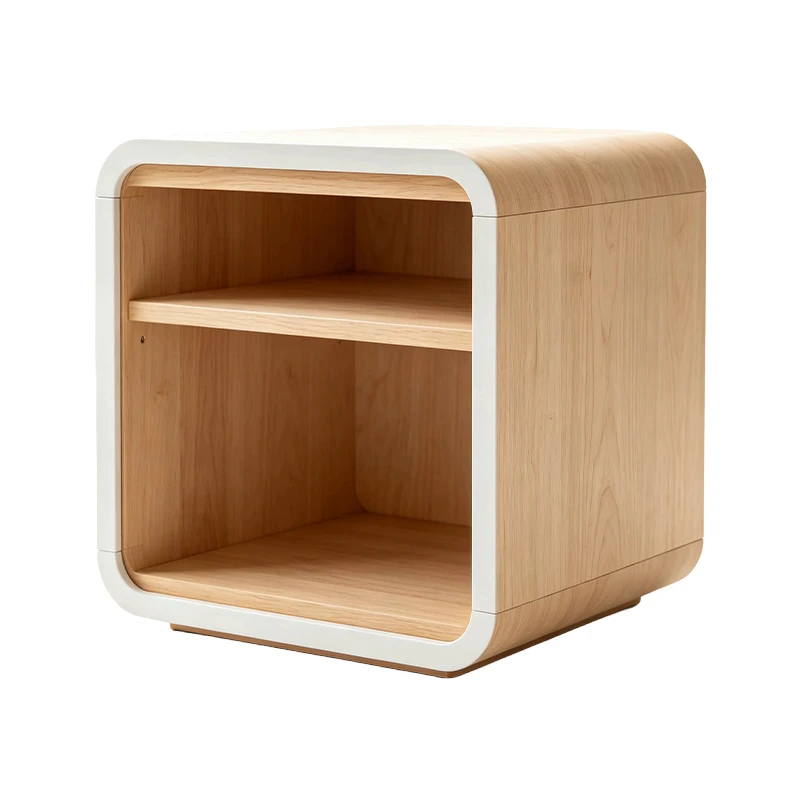
Wait, but what about multifunctional cat houses—our multifunctional cabinet units Multifunctional Cabinet, which double as storage and cat space? These need bedding that can do double duty without looking messy. A lot of my customers use these in small apartments, so the bedding has to be comfortable for the cat and not look like a eyesore when the cat house is in the living room. My pick here is organic cotton batting layered into a fitted sheet. Organic cotton is breathable, so cats don’t overheat in the summer, it’s hypoallergenic, and it looks neat when fitted to the unit. Plus, you can toss the whole fitted sheet in the wash, no extra pieces to handle. I recently added this to our Multifunctional Cabinet inventory, and the number of orders went up 20%—cat parents love that their cat’s bed doesn’t clash with their living room decor.
Oh, and let’s not forget cat cabinet houses—our Cat Cabinet House units Cat Cabinet House, which are like little luxury condos for cats. These have multiple levels, so bedding needs to work for different spots: the top level (for napping) and the bottom (maybe a little play area? No, wait, the bottom is usually for resting too). For these, I mix it up a bit: memory foam toppers for the enclosed top nook (it’s more cozy and secure), and washable wool pads for the open lower level. Wool is a game-changer for temperature regulation—keeps cats warm in winter and cool in summer, and it’s naturally resistant to odors, so you don’t have to wash it as often. I was skeptical at first, but after testing wool pads in our display Cat Cabinet House, the resident cat (a chonky tabby named Mochi) refused to use any other bedding. Win-win.
Wait, also—bedside tables minimalist units? Our Bedside Tables Minimalist are cat beds that double as nightstands, super popular for people who want their cat close at night. For these, you need bedding that’s thin enough that it doesn’t stick up above the table’s surface (so you can set your phone or water glass on top), but still comfy. My go-to here is a thin microfiber mattress pad with a non-slip bottom. The non-slip part is key—otherwise, when the cat jumps up in the middle of the night, the whole bedding slides around, which is annoying for the owner. We added this to our bedside table units last quarter, and the feedback has been 5 stars—no more complaints about messy sliding bedding.
Now, let’s talk about maintenance, because that’s a big one for both me as a supplier and the end customer. The best bedding for a cat house is one that’s low-effort to clean. All the options I mentioned are machine-washable on gentle cycle, air-dry fast (no putting them in the dryer for hours), and don’t shrink. If a customer has to re-stitch a bedding cover after every wash, they’ll stop ordering it. I test every bedding in my own home first—if I hate washing it, I don’t stock it. Also, make sure the bedding has a tight seam so it doesn’t split open when a cat kneads it (cats love to knead, that’s a natural behavior—bad seams mean stuffing all over the cat house).
Another thing to consider: cat-specific needs. Kittens, for example, are more likely to chew, so avoid loose stuffing and go for tightly woven fabrics. Senior cats might need extra support, so the pet-safe memory foam is better for them. Cats with sensitive skin? Organic cotton or wool, not synthetic fabrics. As a supplier, I make sure to note these needs in the product descriptions for each cat house—so when a customer buys a Single Cabinet Storage unit, they know to pair it with microfiber, or when they buy a Cat Cabinet House, to grab the wool pads for the lower level.
I’ve learned a lot from messing up with bad bedding early on. A couple years ago, I tried a budget fleece option to undercut competitors, and within two months, I had 30+ returns because the bedding pilled so bad it looked like a lint ball, and cats refused to use it. That’s when I realized: quality bedding isn’t an extra—it’s part of the cat house itself. If the bedding is good, customers will come back for more cat houses, recommend me to other cat parents, and that’s how my business grows.
If you’re a cat house supplier or someone looking to stock your inventory, don’t sleep on bedding. Take it from someone who’s tested every option, argued with customers over bad bedding, and adjusted my stock until I found what works. The right bedding makes the cat house feel like a home, not just a spot to crash. If you want to check out all the bedding options that pair with our units, or talk about custom bedding solutions for your inventory, reach out—we’re happy to chat.
References:
- "Feline Behavior & Comfort: A Guide for Cat Owners" – American Association of Feline Practitioners
- "Pet-Safe Bedding Materials: What to Look For" – Veterinary Journal of Companion Animal Medicine
- "Cat House Design & Accessories: Industry Trends 2024" – Pet Product News International
- "Temperature Regulation in Domestic Cats: The Role of Bedding" – Journal of Feline Medicine and Surgery