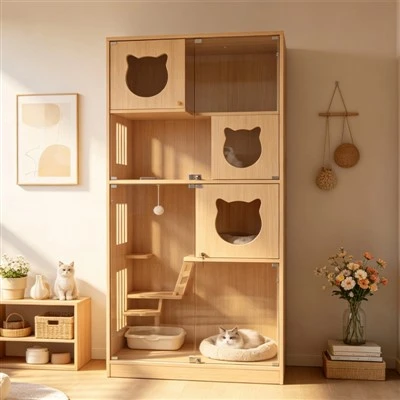
Structural Characteristics of Living Room Furniture
Jul 08, 2026
Core Structural Features
Mechanically Optimized Design: Overall structural strength is optimized based on mechanical principles; specific paper-based furniture undergoes special coating treatments to ensure water, moisture, and insect resistance.
Human-Centric Structural Logic:Adheres to the philosophy of "furniture adapting to the user" by minimizing superfluous ornamentation and optimizing ergonomic parameters to enhance comfort during sitting, reclining, and general use.
Adaptable Structural Design: For smaller living spaces, split-unit or modular structures allow for flexible layout adjustments and improved space utilization.
Characteristics of Mainstream Structural Types
Frame Structure:Features a solid wood frame as the primary load-bearing element; utilizes mortise-and-tenon joinery without the need for metal fasteners, resulting in a stable and durable structure. Available in both fixed-assembly and knock-down (disassemblable) versions.
Panel Structure:Utilizes engineered wood panels as the base material, assembled via hardware connectors; typically designed for repeated disassembly and reassembly, offering high cost-effectiveness and a minimalist aesthetic.
Hybrid Panel-and-Wood Structure: Combines a solid wood frame for structural support with engineered wood panels for other components; balances material quality with cost-efficiency-a common configuration in modern living room furniture.
Multifunctional Composite Structure:Encompasses folding, multi-purpose, and modular designs; allows for functional transformation through the adjustment of components, catering to the diverse needs of compact living spaces.