Structural Characteristics Of Kitchen Furniture
Aug 08, 2026
Cabinet Spatial Structure
Base Cabinets: Serving as the core structural foundation, these are located beneath the countertop. They offer high load-bearing capacity, supporting the work surface and accommodating large cookware while concealing plumbing and electrical lines.
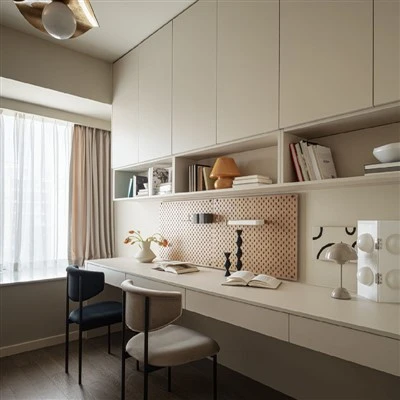
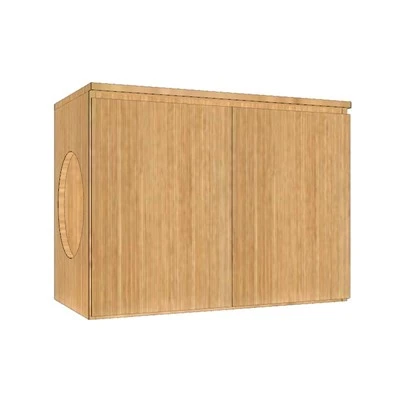
Wall Cabinets: Mounted on the wall, these maximize vertical space for storing lightweight items like dry goods and glassware, ensuring valuable countertop workspace remains unobstructed.
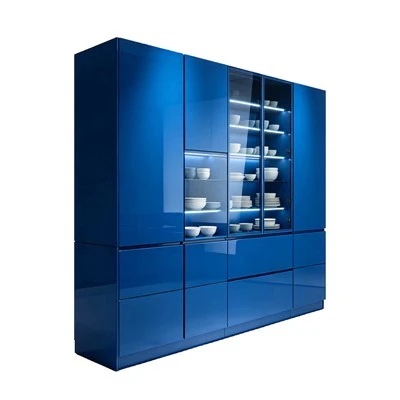
Tall Cabinets: Extending from the floor to near the ceiling, these function as "storage towers." They can house built-in appliances-such as steam ovens and conventional ovens-while providing high-capacity, centralized storage.
Specialty Cabinets: These include corner units, pull-out spice racks, and appliance housing units, designed to address specific needs such as utilizing awkward corner spaces and organizing small items.
Structural Characteristics of Core Components
Panel Structure:Composed of three layers-the substrate, the surface finish, and the edge banding. Common substrates include multi-layer plywood and particleboard; finishes are oil-resistant and easy to clean; and edge banding effectively prevents moisture absorption and warping.
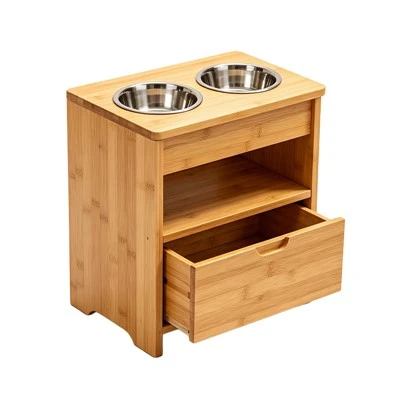
Hardware Structure: Categorized into basic and functional hardware. Basic hardware includes hinges, handles, and drawer slides. Common slide types include three-section slides, undermount slides, and tandem box systems, offering progressively higher levels of smooth operation and load-bearing capacity.
Support Structure: Adjustable metal or plastic legs at the base allow for leveling the cabinet, distributing the weight of the countertop, and preventing sagging or deformation over long-term use.